
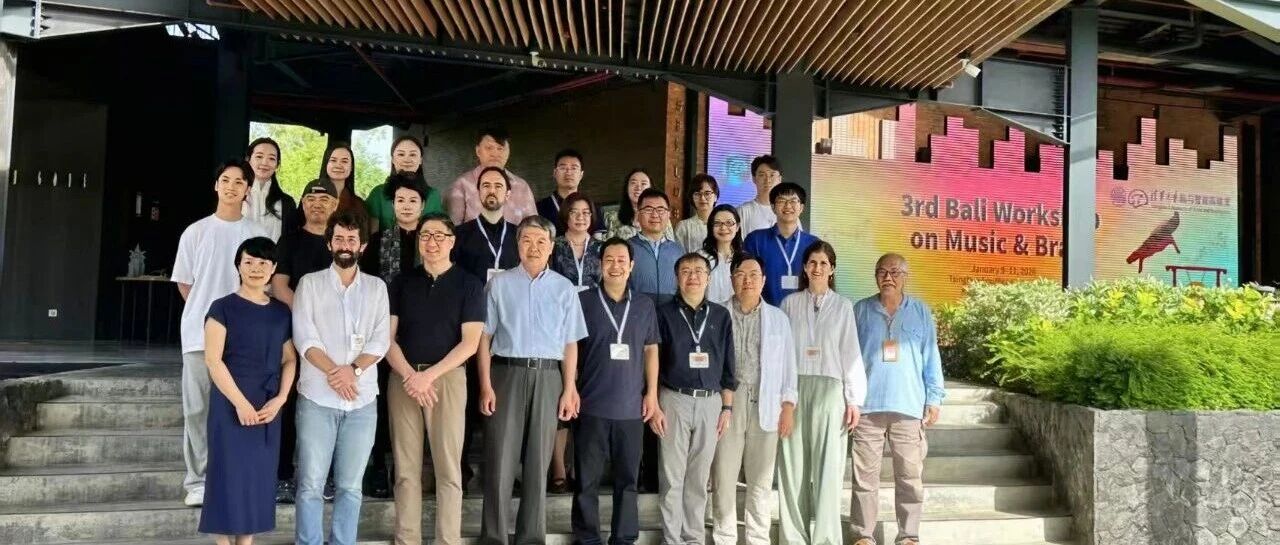
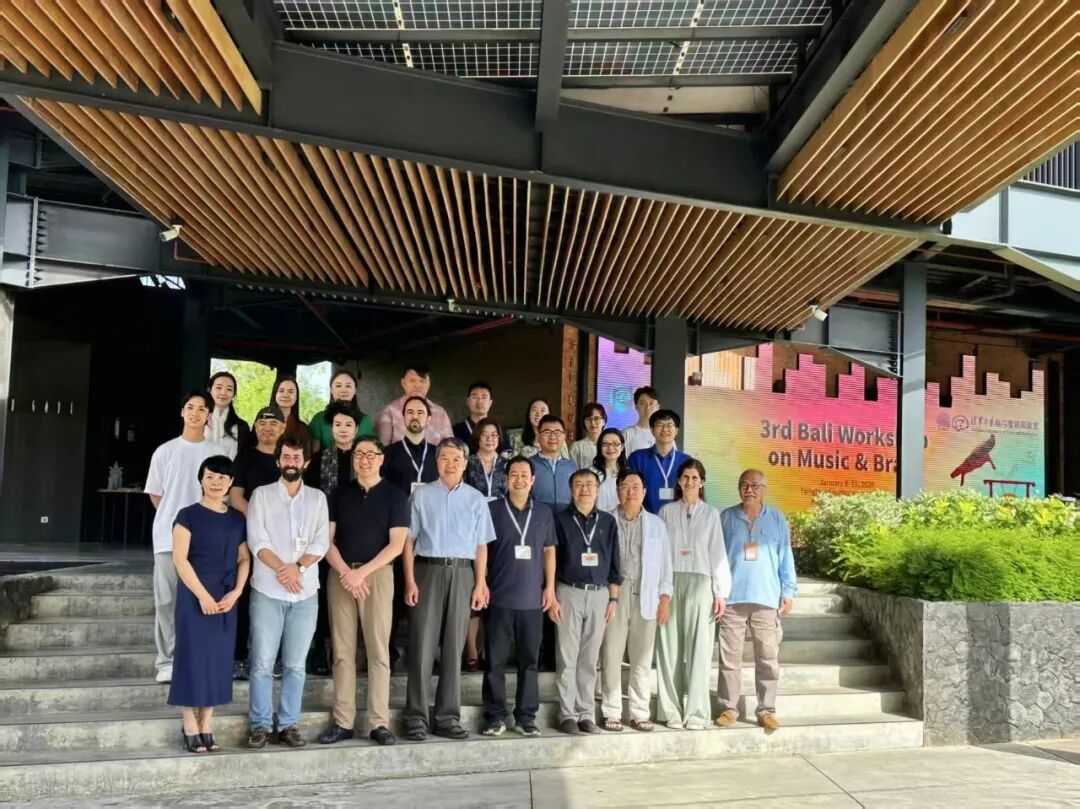
From January 9th to 11th, 2026, the third“3rd Bali Workshop on Music &Brain” hosted by the Tsinghua Laboratory of Brain and Intelligence (THBI) of Tsinghua University was held at the Southeast Asia Center of Tsinghua University in Indonesia.Successfully held. Nearly 80 researchers and young scholars from China, the United States, Italy, Indonesia and other countries and regions, covering neuroscience, musicology, psychology, engineering and art, gathered in Bali to conduct in-depth exchanges and interdisciplinary dialogues on “Music brain scientific research in real situations”. Professor Wang Xiaoqin, director of the Brain and Intelligence Laboratory of Tsinghua University, pointed out in his opening speech that the series of seminars on music brain science in China has always focused on cutting-edge issues in music brain science, emphasizing interdisciplinary cooperation, and paying special attention to understanding the neural mechanisms of music perception, performance and social interaction in real and natural music situations. Mechanism. This seminar further strengthened the presentation and dissemination of traditional Chinese music and culture, and discussed the form and aesthetic characteristics of traditional Chinese music and its unique value in the study of emotional regulation, social interaction and brain mechanisms, providing a window for the international academic community to understand the combination of Chinese music culture and contemporary brain scientific research.
Music neuroscience towards real situations:the key shift from the “laboratory paradigm”to the “ecological paradigm”
One of the highlights of the third symposium was the systematic presentation of music neuroscience in recent years from the traditional“laboratory paradigm”tothe “ecological (ecological) research paradigm”.An important trend. A number of reports used natural situations such as real performances, group listening, impromptu interaction, and ensemble collaboration, combined with EEG, neuroimaging, and multimodal physiological signal measurements, to reveal how music forms a dynamic coupling between the brain, body, and emotions. Coupling. This path is considered to be a key breakthrough in understanding the social attributes and emotional power of music, and it is also an important scientific issue that is difficult to reach under traditional laboratory conditions.
In an invited report, Professor Giacomo Novembre of the Italian Institute of Technologyexplained that the research method of combining behavior and brain activity in the natural environment is of great significance for understanding music and social interaction, and systematically describes the theoretical and methodological framework for studying music and social behavior in the context of natural interaction. Framework. Huang Juan, a senior visiting scholar at the Brain and Intelligence Laboratory of Tsinghua University and researcher at Johns Hopkins University in the United States, pointed out in the report: Music is a natural“ecological stimulation”that can reveal the neural mechanisms of improvisation, collaboration and emotional regulation during real performance and listening; Multi-modal neural and physiological measurements that combine real situations,It helps to reveal the“heart–brain–body”synergy mechanism in improvisation and ensemble performance, and further demonstrates the unique value of traditional Chinese music in emotional regulation and physical state influence.
From“Neural mechanism”to“neural Coding”: Music brain science moves towards deeper scientific issues
In the third symposium, both basic research and clinical transformation are emphasized. Professor Charles Limb, a neuroscientist and auditory scientist from the Cochlear Implant Center of the University of California, San Francisco, USA, with the title “Musicfor the Deaf: Music Perception of Cochlear Implant Users”, focuses on the music perception of cochlear implant users and their emotional regulation effects, demonstrating the research value of music brain science for the needs of real people..
At the basic research level, the conference report shared the important progress of animal models in music brain science. In his report, Professor Wang Xiaoqin systematically reviewed the research on the neural mechanisms of musical pitch processing in the primate and human auditory cortex over the past two decades, emphasizing the importance of distinguishingneurons that “truly encode musical elements” from the single-neuron level. At the same time,theTHBI team has made progress in decoding the neural basis of the basic elements of music in recent years, and has further expanded its vision to more macro issues: for example, how music preferences are formed in natural behavior, how music affects the cognitive and intellectual development of developmental marmosets and their neural basis. These efforts mark that music brain science is moving from”elemental decoding“to a new stage of ”the overall mechanism of music cognition“.
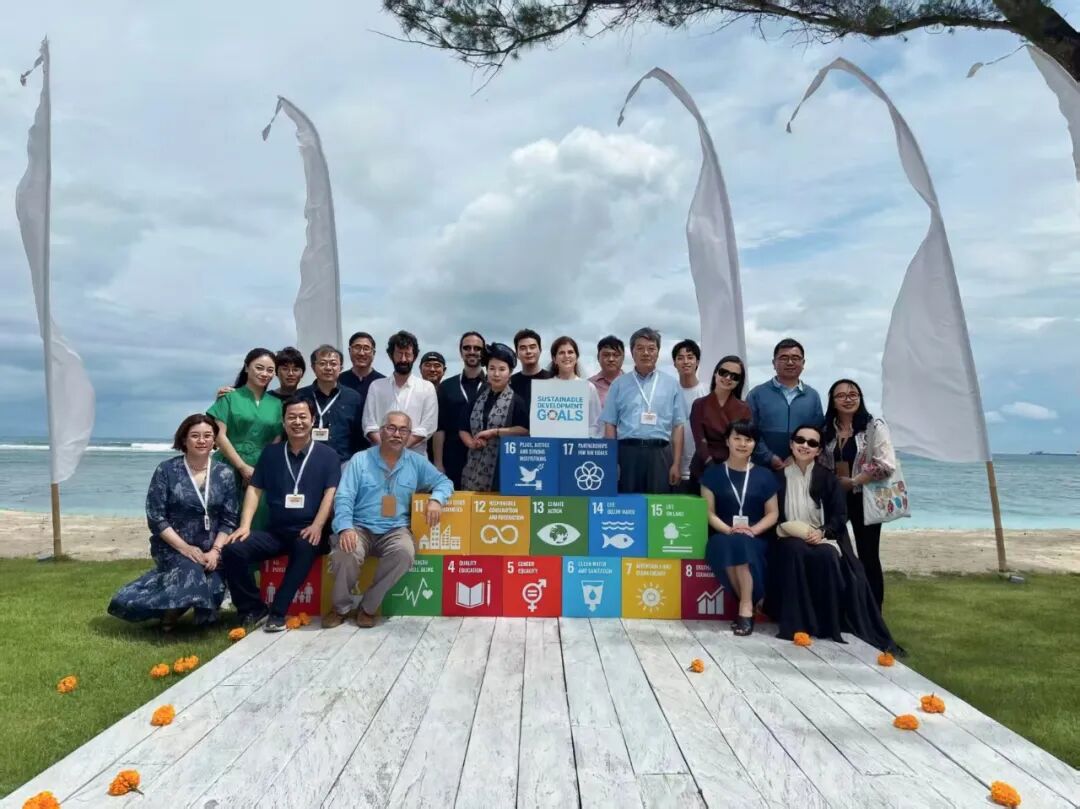
Figure 2. In-depth participation of speakers, musicians
and artists: Expanding the Boundaries of art and science
The Third symposium has significantly improved the breadth and depth of artistic participation. The participation of musicians and art practitioners from China, Indonesia and the United States has further strengthenedthe international positioning of the seminar’s “Science + Art”integration. Researcher Wang Qinglei of the Institute of Music, China Academy of Arts and Sciences, combined with the research of music archaeology, demonstrated the team’s restoration and performance of the ancient Chinese chime system, presenting the historical facts that the pentatonic scale and the seven-tone rhythm were highly mature more than 2,000 years ago, and provided inspiration for the study of music cognition from a cross-cultural and historical perspective. Professor Monique Mead of Carnegie MellonUniversity in the United States demonstratedthe practice of “sound bath”, which uses an immersive sound experience to guide participants to pay attention to physical feelings and psychological states, reflecting the realistic application value of sound and music in body-mind regulation. At the same time, traditional Chinese musician Zhang Mengyi and his Guzheng team demonstrated the potential of Chinese musical instruments in terms of expressiveness and flexibility; Indonesian composerDr. Franki Raden shared“Sound, Energy and spirituality: The Origin of the Indonesian National Orchestra”Report; Fan Linfeng, a young flute player of the Central Conservatory of Music, demonstrated the improvisational art of Jiangnan silk bamboo; He Yi, the inheritor of Nanxun Qin and song, combined guqin with poetry and song Fu to present the restrained aesthetics and emotional artistic conception of Chinese literati music. Other speakers at the seminar discussed new tools and methods for immersive music experience and complex social interaction from different perspectives of engineering technology, virtual reality, interaction design and art practice. Different reports jointly point to a core issue: while maintaining scientific rigor, how to more truly understand human musical behavior and emotional experience.
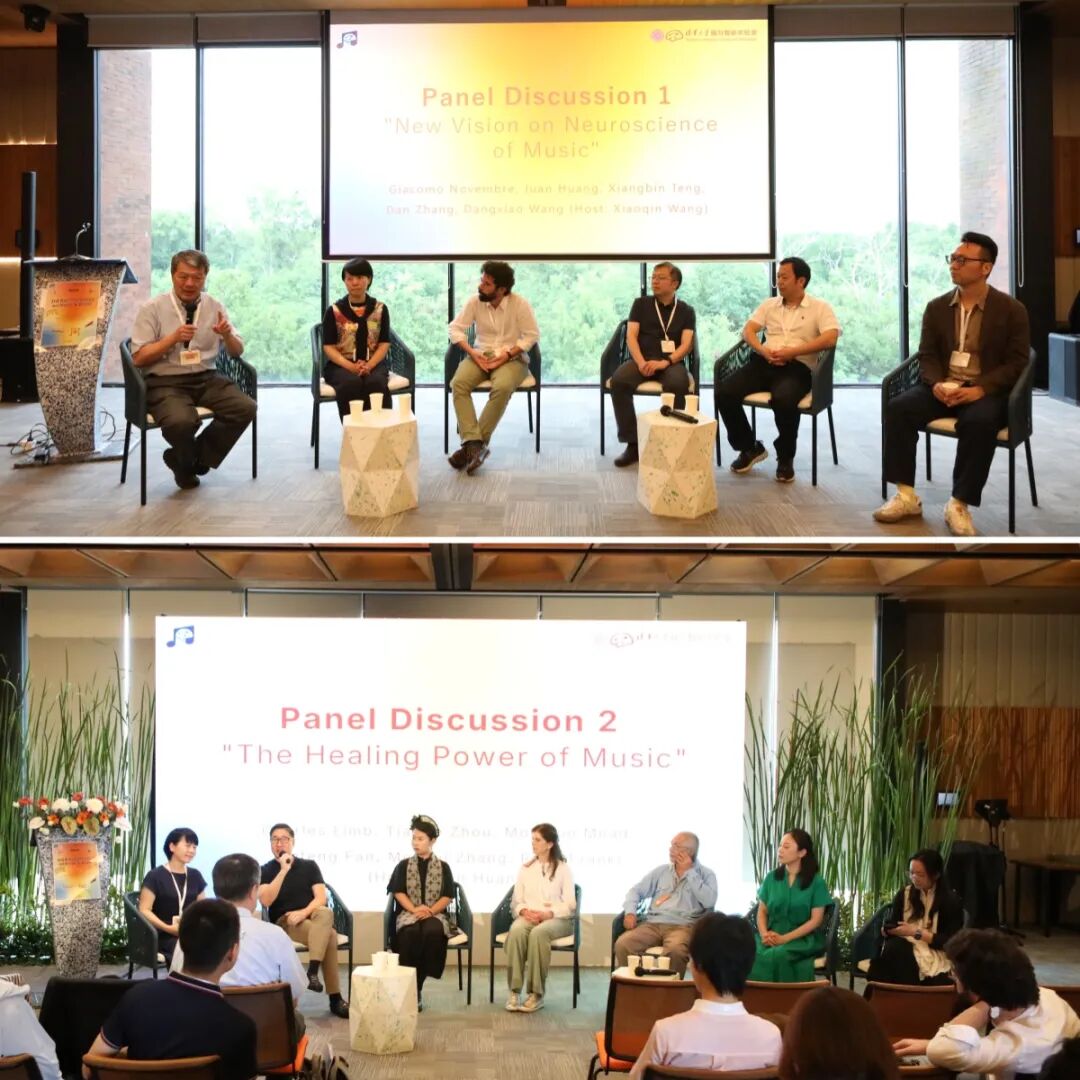
Figure 3. Roundtable Discussion
Roundtable Discussion: Forming interdisciplinary consensus on key Issues
This seminar continues the tradition of the Bali seminar series and has set up sufficient thematic dialogues and roundtable discussions to continue to attract scholars to participate highly. Focusingon topics such as “a new perspective on music neuroscience”and “the healing powerof music”, experts conducted in-depth discussions on ecological experimental design, cross-species comparison, musical emotion regulation mechanisms, neuroimaging technology applications, and the social value of music in education and mental health. The discussion not only responds to the technical, ethical and methodological challenges faced by current research, but also provides important inspiration for the future development direction of music brain science in public health, artistic practice and social applications.
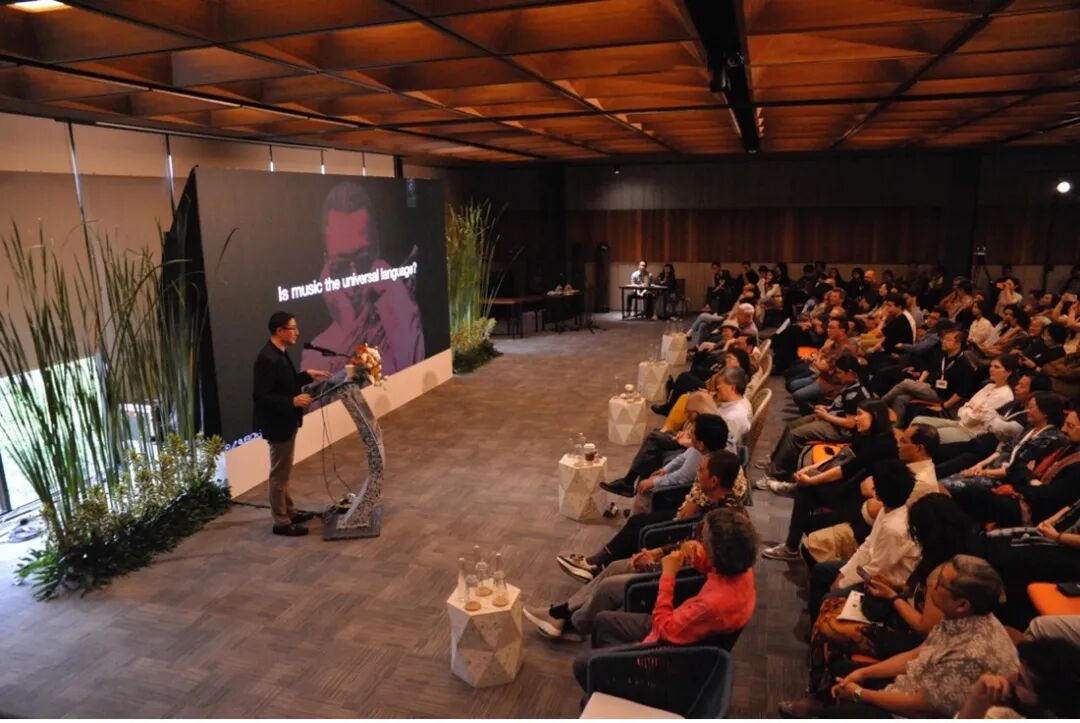
Figure 4.
Open activities for the public at the public event site: Bringing scientific research to the Social and cultural scene
. On the afternoon of the last day of the third seminar, an open event for the public was held to showcase the latest developments in music and brain scientific research to the public through scientific lectures, musical performances and live interaction. The event was jointly organized by the Brain and Intelligence Laboratory of Tsinghua University, the Indonesian Ministry of Higher Education and Technology and the Southeast Asia Center of Tsinghua University. Charles LimbThe professor was invited to give a special report to analyze the brain processing mechanisms related to improvisation and musical creativity. Guests such as Luhut Binsar Pandjaitan, Chairman of the National Economic Commissionof Indonesia, Stella Christie, Deputy Minister of Higher Education and Technologyof Indonesia, and Zhang Zhisheng, Consul General of China in Denpasar, attended. The audience was also invited to participate as subjects in a real-time brain activity test based on portable near-infrared brain imaging technology. The immediate impact of music on brain activity was visually presented on the large screen of the event, which attracted widespread attention and enthusiastic response. The public event vividly demonstrated the dual value of music as an art form and a tool for scientific research, and further promoted exchanges and cooperation between China and Indonesia in the fields of science and technology, culture, art and education.
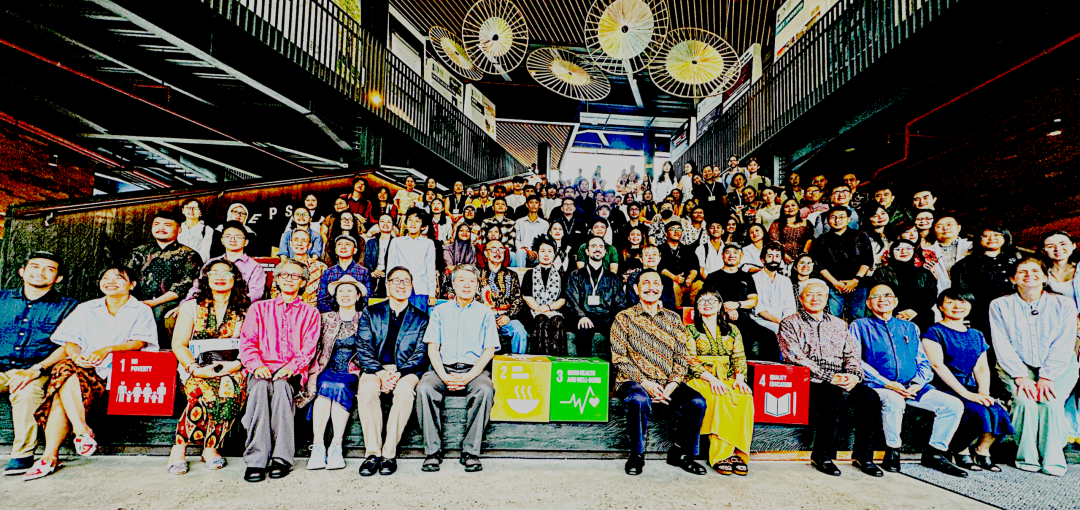
Figure 5. Group photo of guests at Public events
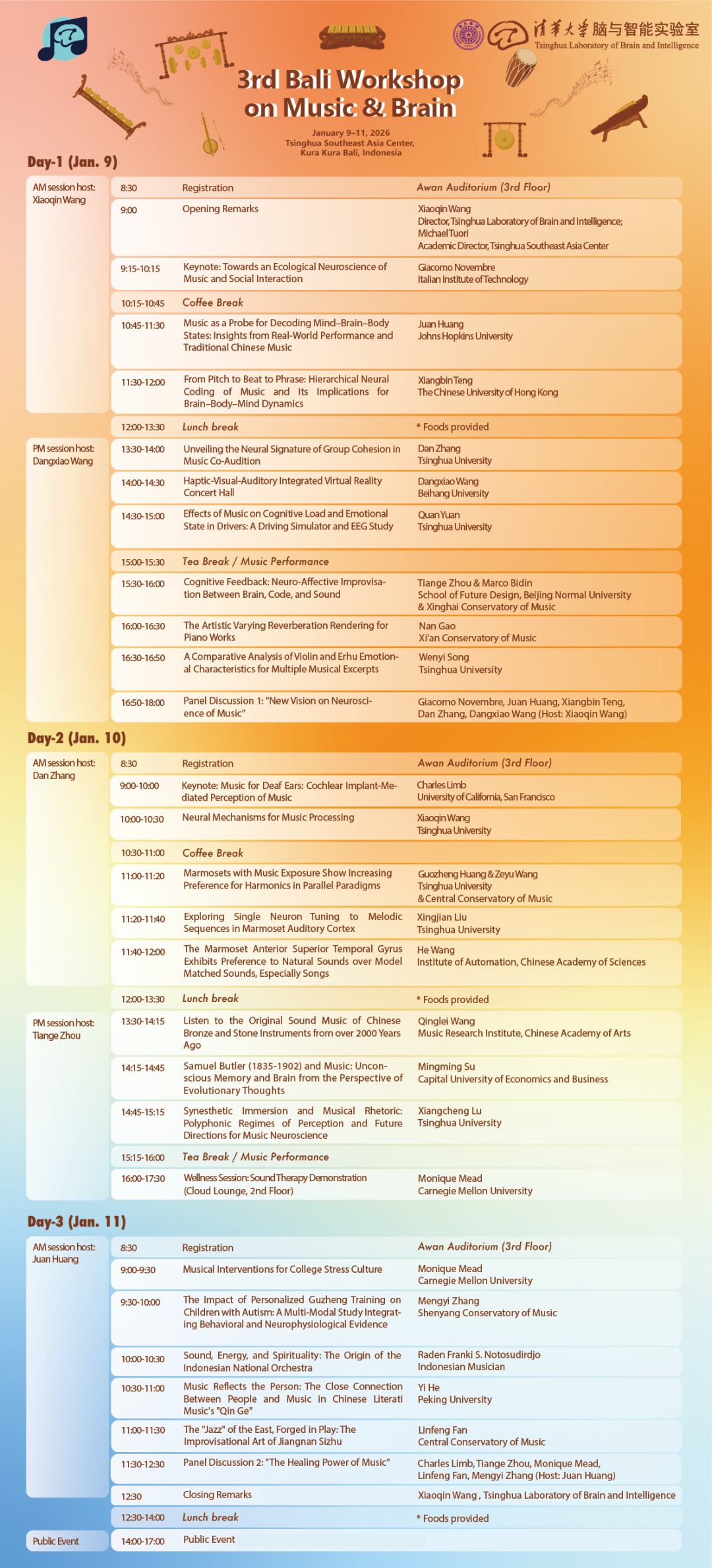
Figure 6. Schedule of the Third Seminar
Three-year review of the Bali International Symposium on Music and Brain Science (2024-2026): From international exchanges toacademicbrands
Sincethe launch of the first conference in 2024, THBI has held the Bali Music and Brain Science Seminar at the Southeast Asia Center of Tsinghua University for three consecutive years, gradually forming an internationally influential academic brand and cross-culturalExchange platform.
- The first seminar in 2024 (2024.1.10–12)
Scholars from China, the United States, Canada, New Zealand, Indonesia and other places conducted exchanges on the relationship between music and the brain, intelligence and health, and invited local musicians from Bali to participate in the interaction, layingthe characteristic foundation of “academic exchange + local cultural experience”. The conference not only presented the basic results of primate models and human research, but also focused on key topics such as the development of music perception, rhythm oscillation mechanism, music aesthetics and live performance, and opened upthe research imagination of “from the laboratory to the music scene”. - The second seminar in 2025 (2025.1.10–12)
The scale of participants has been further expanded toMore than 80 people, covering cognitive and neuroscience, clinical psychology, computer science, music theory and professional musicians. The conference emphasized the importance of interdisciplinary methods in the scientific research of music brain, and conducted in-depth discussions on the neural coding of the basic elements of music, the analysis of brain activity in performance and listening, and the clinical potential of music therapy. The second session highlightedthe structural design of “dialogue and discussion”, and for the first time formedan open activity paradigm of “music and the brain” for the public. Through live brain imaging demonstrations, the public can intuitively see the impact of music on brain activity, resulting in a strong social response. - The Third Symposium in 2026 (2026.1.9–11)
This session, withthe theme of ”Music brain Scientific Research in Real Situations“, systematically presents the mature development of the ecological research paradigm, and significantly strengthens the status of traditional Chinese music in international academic discussions. Under the framework of multi-dimensional parallelism of academic reports, art exhibitions, round-table discussions and public activities, the conference further consolidated the international exchange function and cross-cultural communication value of the Bali Seminar in the field of music brain science.
THBI’s mission: To make music a
series of seminars on music brain science that connects science, culture and healing power. The development of the seminar series is highly consistent with the mission and research strategy of the music brain science team of the Brain and Intelligence Laboratory of Tsinghua University. TheTHBI music brain science team focuseson the interdisciplinary frontier of “music—brain science—physical and mental healing”. Under the leadership of Professor Wang Xiaoqin, the THBI music brain science team brings together experts in neuroscience, music, psychology, virtual reality, acoustic engineering and other fields, and joins hands with well-known artists at home and abroad, brain science equipment R&D teams and concert halls to create“ A new paradigm of international scientific research integrating ”Science + Art”.
In recent years, the team has taken the lead in expandingthe “real music brain science”The experimental paradigm integrates multi-modal technologies such as virtual reality, vibration tactile, and three-dimensional sound field to build an immersive multi-sensory music experience platform, studies the neural activities in music appreciation, improvisation, and ensemble interaction, and explores the neurophysiological mechanisms of musical creativity, aesthetic experience, and physical and mental healing. At the same time, the team is committed to integrating traditional Chinese music into the neuroscience research system, reinterpreting the ancientwisdom of “music for healing, self-cultivation, and enlightenment” in modern scientific language, and promoting the international dissemination and scientific verification of Chinese music culture.
In the clinical and application directions, the team actively exploresthe “one person, one party”personalized music healing path in the era of digital medicine and precision medicine, facing the needs of people with depression, anxiety, autism, and neurodegenerative diseases, and promotes the long-term transformation of scientific research results into content, products and services.
Build an international exchange platform for music brain science and face future sustainable development
. The International Symposium series on Music Brain Science systematically presents the dual value of music as an art form and a scientific research tool through multiple forms such as academic reports, art exhibitions, round-table discussions and public activities. The conference not only promoted the cutting-edge development of music brain scientific research, but also built an important platform for in-depth cooperation between Chinese and international academic circles in the fields of science and technology, culture and art.
The Bali International Symposium on Music Brain Science was strongly supported by the Institute of Scientific Research of Tsinghua University, the Southeast Asia Center of Tsinghua University, theUIDPublic Welfare Foundation and Danyang Huichuang Medical Equipment Co., Ltd. Tsinghua University’s Brain and Intelligence Experiment will continue to promote the construction of the Bali Music brain Science seminar series, build a high-level academic exchange platform with international influence in the field of music brain science, and further promote the construction of a global platform for the integration of music brain scientific research and art.
Edit and typeset /Gao Jing
Review /Wang Xiaoqin, Guan Weijie
Leave a Reply