
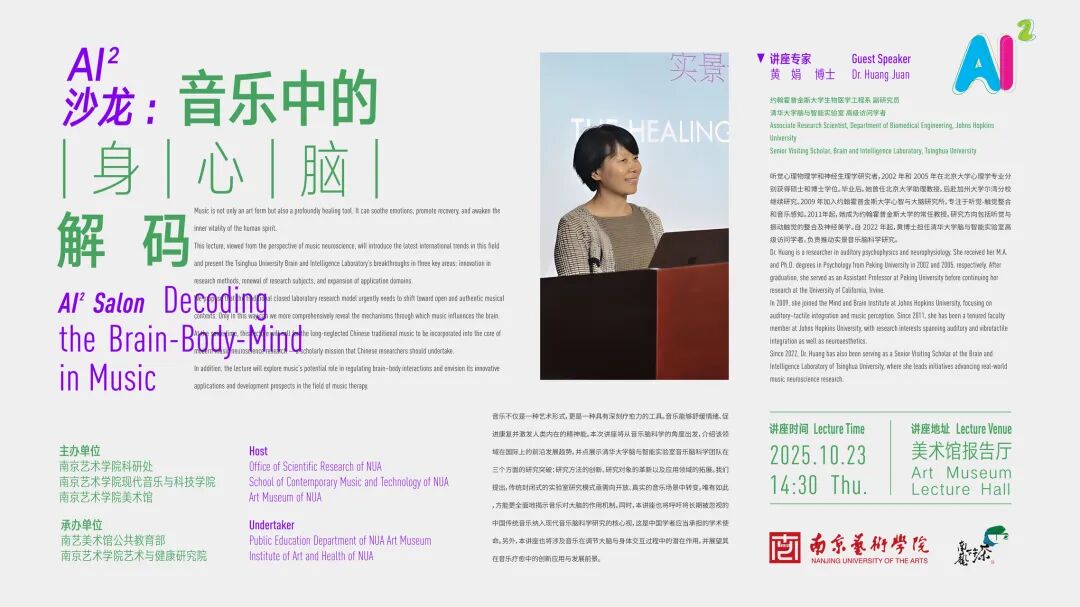
On October 23, 2025, the special lecture “Decoding the Mind, Body, and Brain in Music,” jointly organized by the Research Office, the School of Modern Music and Technology, and the Art Museum of Nanjing University of the Arts, was successfully held in the Academic Lecture Hall of the Nanjing University of the Arts Art Museum. The lecture featured Dr. Huang Juan, Associate Research Scientist in the Department of Biomedical Engineering at Johns Hopkins University and Senior Visiting Scholar at the Tsinghua Laboratory of Brain and Intelligence, as the guest speaker.
During the lecture, Dr. Huang Juan centered on the cutting-edge interdisciplinary field of “music neuroscience,” systematically elaborating on the latest progress in three dimensions: innovation in research methods, expansion of research subjects, and extension of application scenarios. She pointed out that the past closed research paradigm, conducted entirely within laboratories, can no longer fully capture the complex effects of musical activities on the brain. Therefore, it is necessary to move experiments into more open, real-world settings of musical performance and listening, using an ecological research strategy to reveal the neural mechanisms of music’s effects.
Dr. Huang particularly emphasized that Chinese traditional music should be brought into the core scope of modern neuroscience research, which not only enriches the cultural expression of global music neuroscience but also injects original momentum into local music science research. Using the Music and Brain Science team at Tsinghua University as an example, she explained how they break the boundaries of the laboratory: on one hand, they expand their research settings from controlled labs to live musical performances, preserving the naturalness and context of the musical experience; on the other hand, they innovatively focus on Chinese traditional music culture as a key area for interdisciplinary brain research, enhancing the diversity and local value of the discipline.
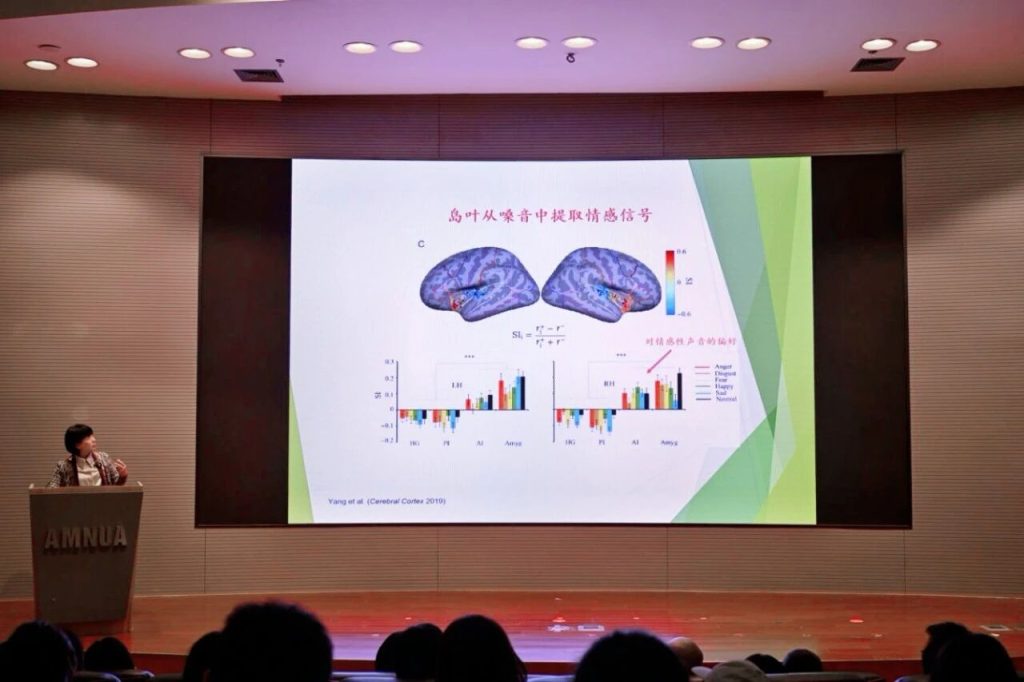
Regarding the cross-application of music therapy and neuroscience, Dr. Huang introduced the team’s research methods for conducting simultaneous EEG, fNIRS (functional Near-Infrared Spectroscopy), and multi-parameter physiological recordings on multiple people in naturalistic settings. This approach not only captures the brain dynamics of musicians and audiences during live performances in real time but also decodes the interaction mechanisms between musicians, as well as between musicians and the audience. Through multi-scenario, multimodal processing and diverse expression, combined with the collection of simultaneous neurophysiological signals from multiple individuals, the team aims to inject new vitality into the integrated research of music, brain science, and artificial intelligence.
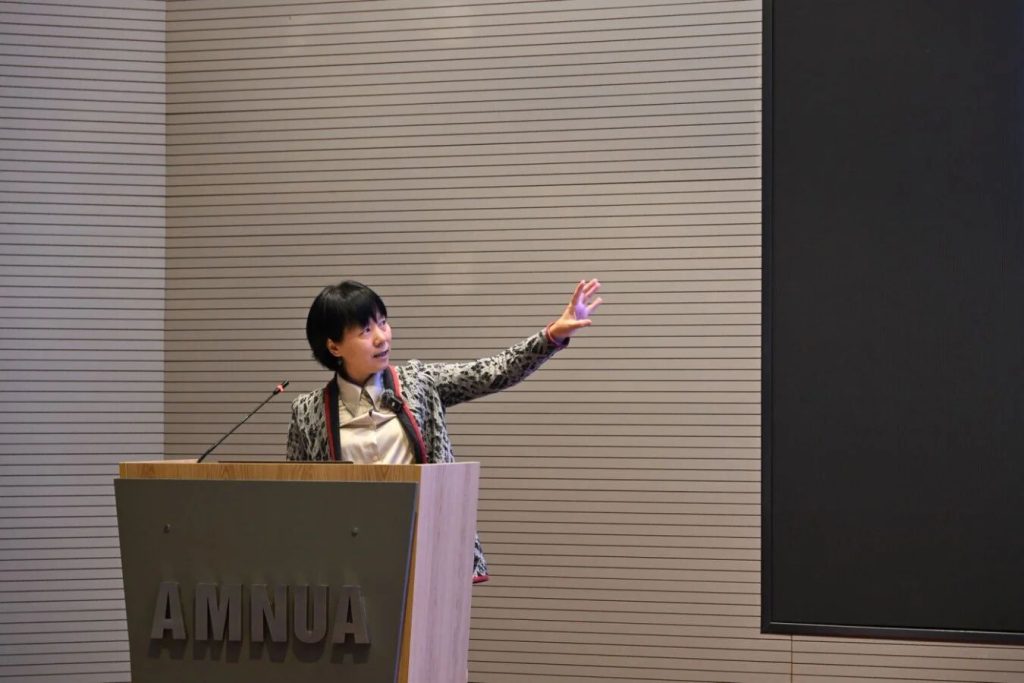
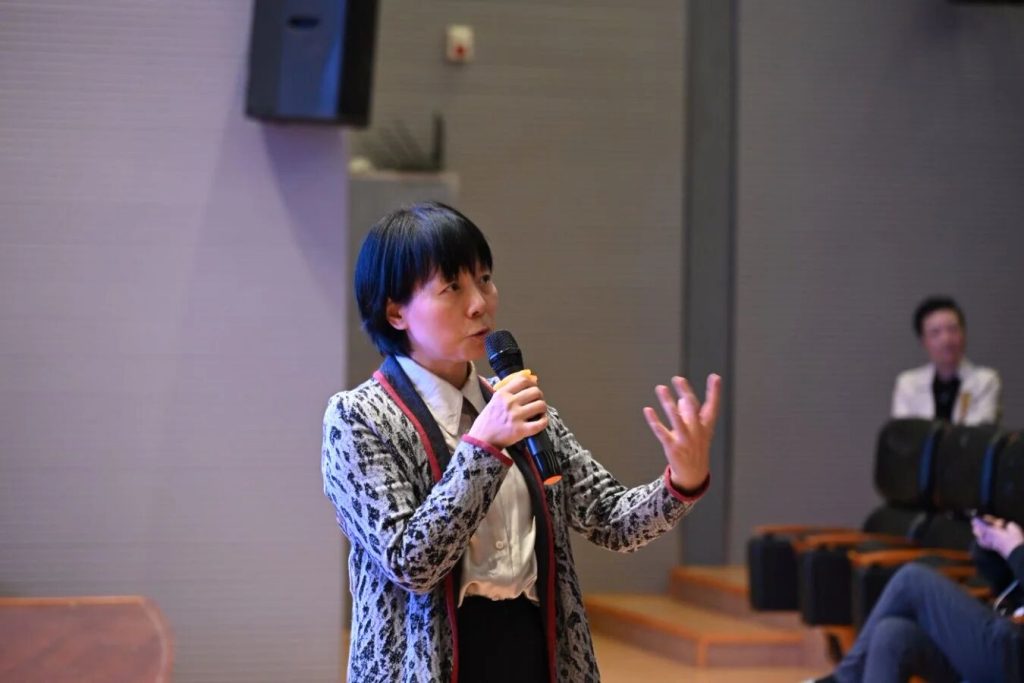
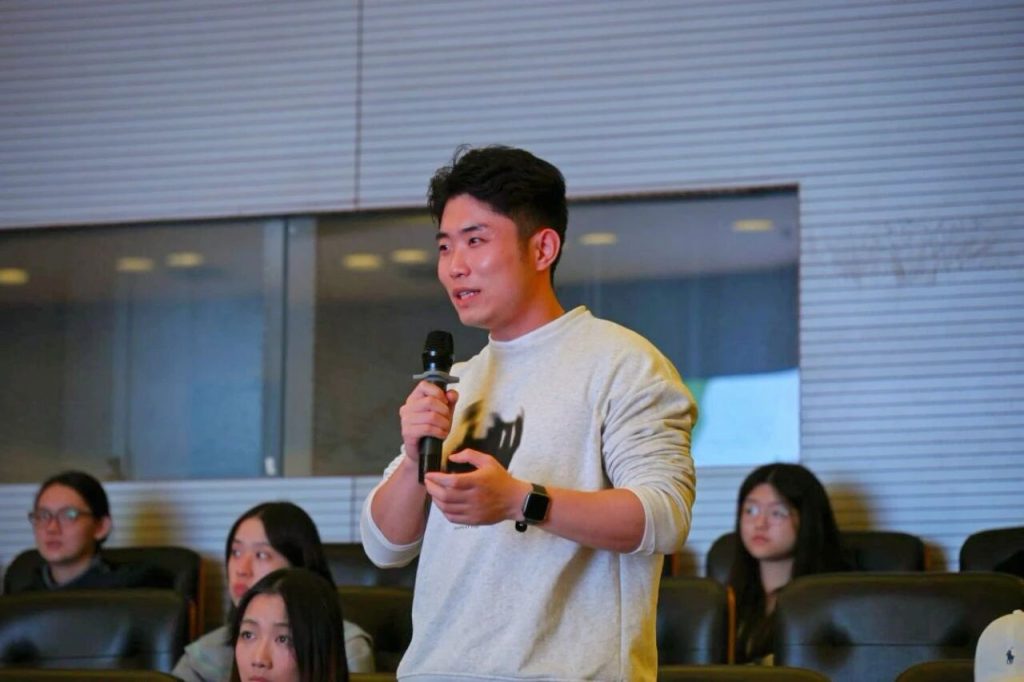
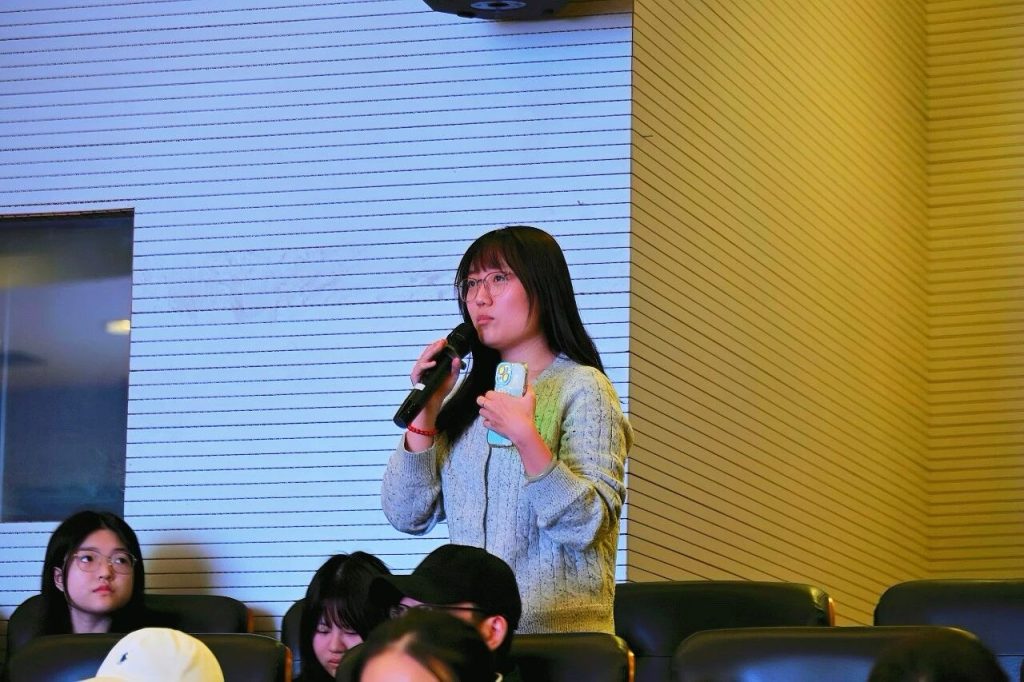
During the interactive session, students actively participated, discussing the feasibility of music as a path for psychotherapy, the heterogeneity of healing effects of specific music on different populations, strategies for selecting personalized therapeutic music, and the quantitative assessment of specific factors’ effects in multimodal therapeutic scenarios. Dr. Huang responded with professionalism and affability, providing the audience with insightful perspectives.
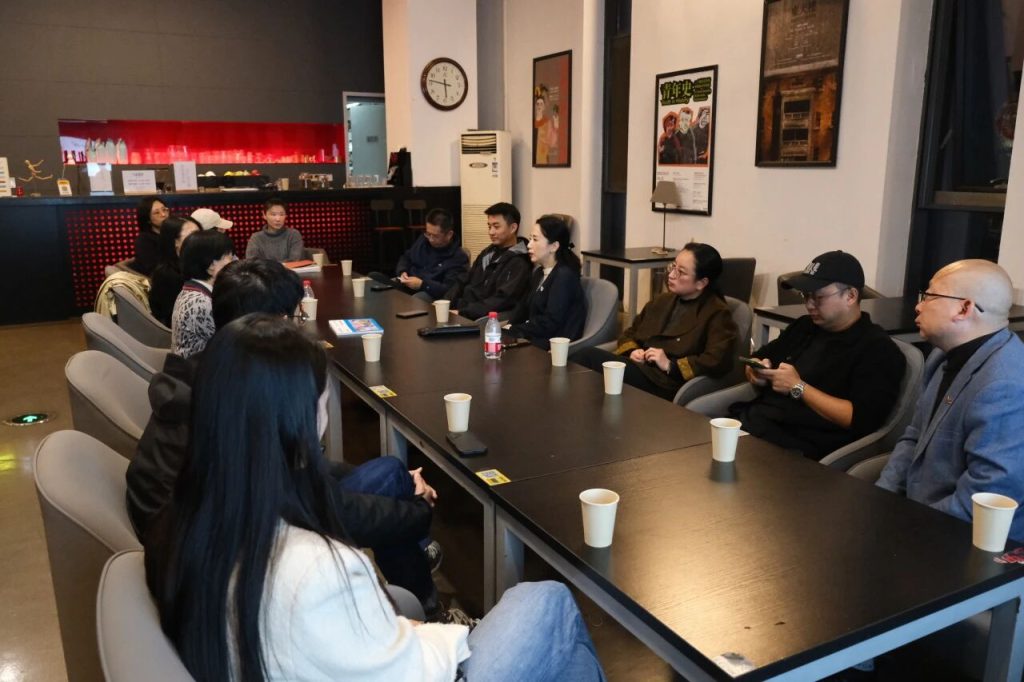
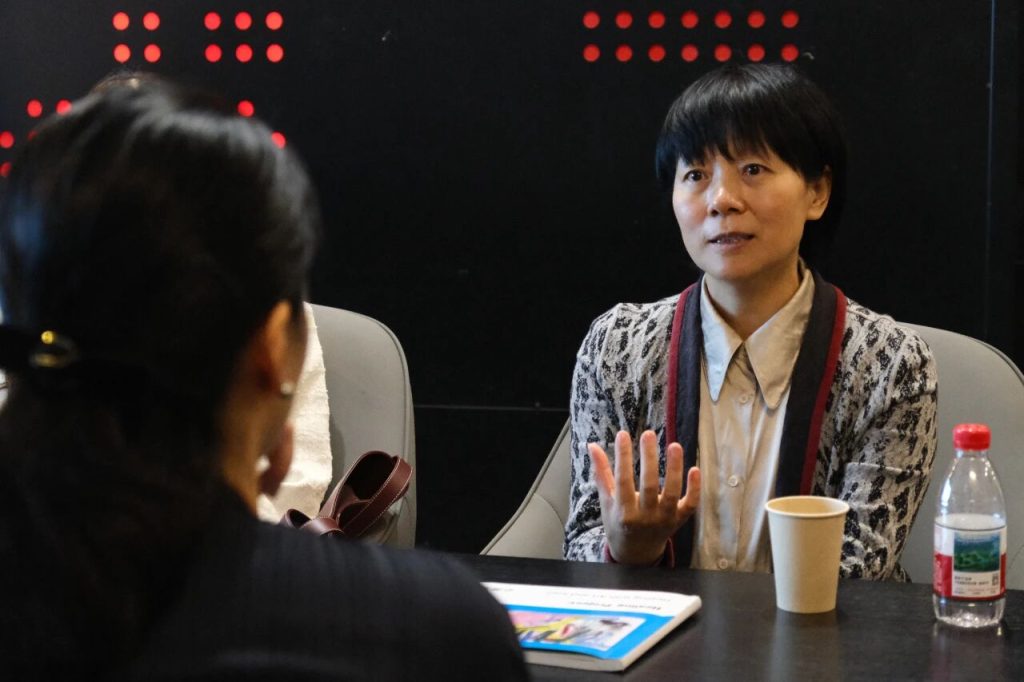
After the lecture, a roundtable discussion was held at the Art Museum’s café, hosted by Professor Zhang Jie, a member of the Party Committee and Vice President of Nanjing University of the Arts. Dr. Huang Juan engaged in an in-depth dialogue and exchange with representatives from relevant departments and research platforms of Nanjing University of the Arts regarding the university’s strategic development in the field of art therapy and future visions for collaboration.
Leave a Reply